
Red River County Railroad Town
Listings in Detroit, TX
Welcome to Detroit, a small Red River County town on U.S. Highway 82, where a railroad heritage and Northeast Texas farmland meet halfway between Paris and Clarksville.
Detroit is a small incorporated town in the far western corner of Red River County, in Northeast Texas, along U.S. Highway 82 where it meets Farm to Market Road 410. The town sits about two miles east of the Lamar County line and roughly fifteen miles east of Paris, the nearest sizable city, with Clarksville — the Red River County seat — about the same distance to the east. The Red River, which forms the Texas–Oklahoma border, runs a short distance to the north. The town's origins are tied to the railroad. In the 1870s the Texas and Pacific Railroad was plotted through the area, and when the line was completed in 1876 the post office from nearby Starkesville was moved to the new townsite, first called Bennett. In 1887 the local railway agent, J. M. Stephens, renamed the community Detroit in honor of his former home in Michigan. The railroad shaped Detroit's early economy as a shipping point for the surrounding farms and timber lands, and the highway corridor later carried that role into the automobile era. Today Detroit is a compact, mostly residential town of roughly 700 people, surrounded by farmland, pasture, and pine woods. It functions as a small service point and commuting community, with many residents working in Paris or Clarksville and families drawn to the small school district and the quiet pace of rural Northeast Texas. Like many Red River County communities, Detroit skews toward families and long-time residents, with a predominantly owner-occupied housing stock and a school district that draws students from the surrounding rural area. Its position halfway between the two larger towns makes it a practical home base for households with jobs in either direction.
Get more information about Detroit
Houses in Detroit, TX
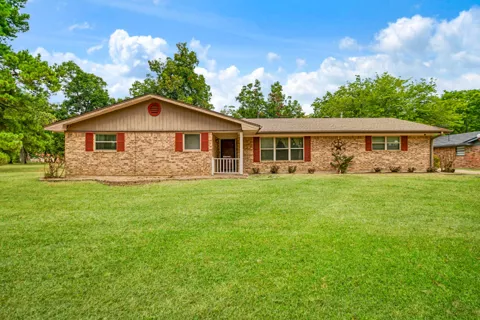
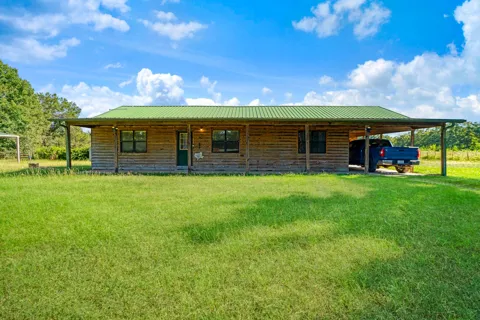
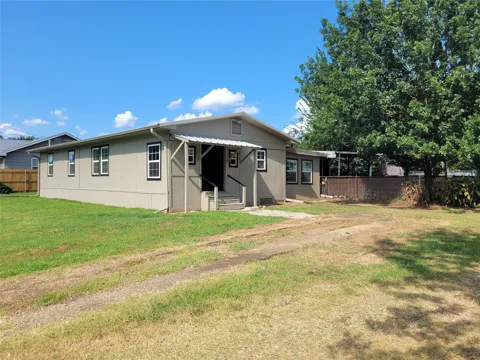
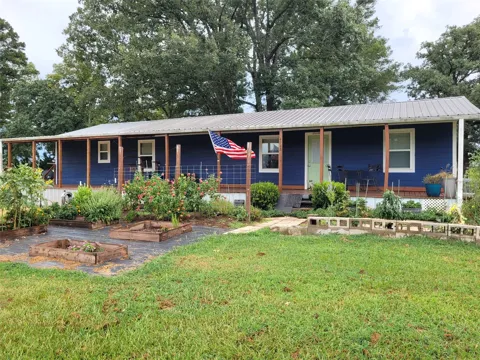
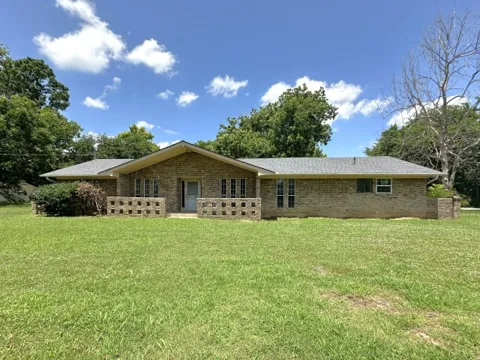
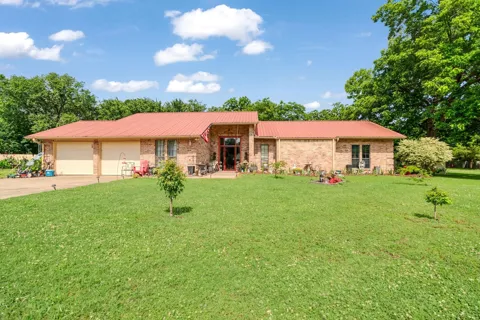
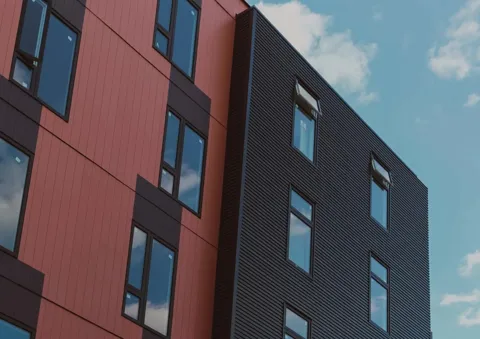
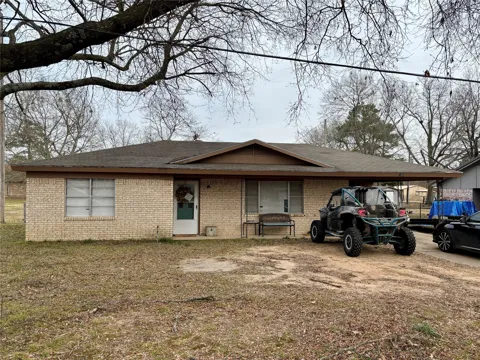
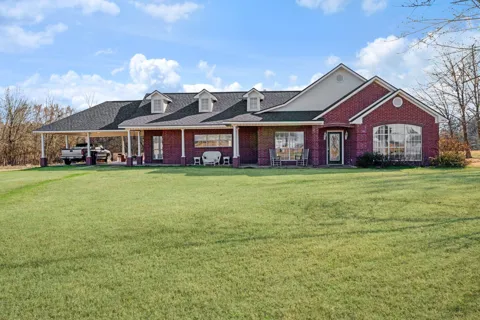
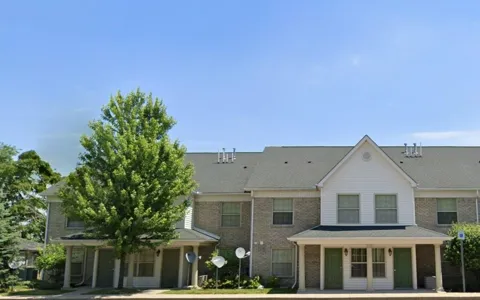
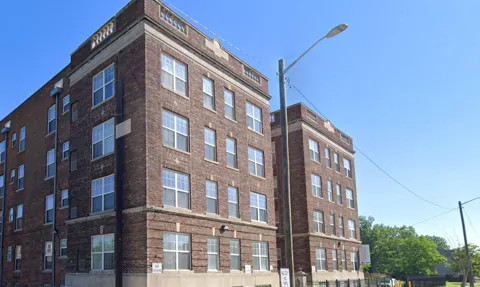
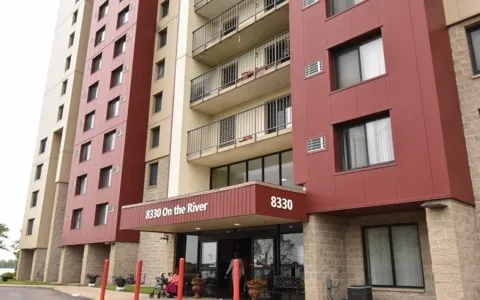
For Rent in Detroit, TX
Lots & Land in Detroit, TX
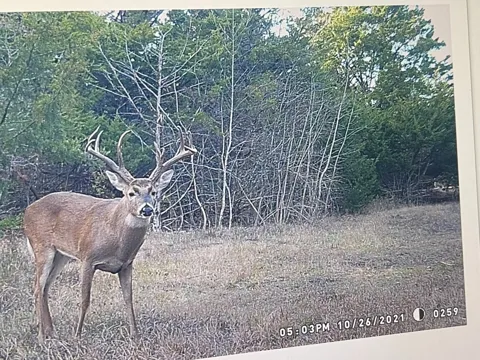
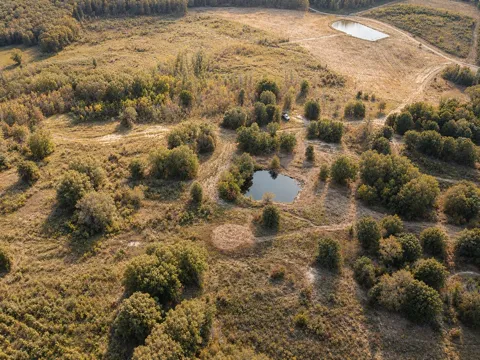
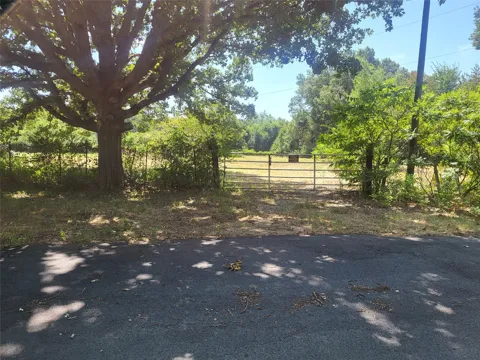
MARKET SNAPSHOT
The Market at a Glance
How homes have been selling here over the last 90 days.
Price & Sales History
Market data reflects closed sales over the last 90 days and is provided for informational purposes.
Zip Codes
BROWSE BY ZIP
Browse listings by postal code in this area.
City Guide
About Detroit
Real Estate & Housing
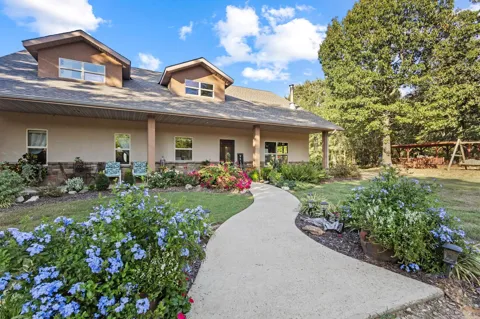
Detroit's housing stock is typical of a small Northeast Texas town: a mix of older frame homes, ranch houses, and brick bungalows on shaded in-town lots, with manufactured homes and larger rural properties on the outskirts. Most residents own their homes, and the community has a sparse, low-density feel, with farm and pasture land beginning at the edge of town. Lot sizes in town are generally generous by suburban standards, and the surrounding countryside offers acreage for those seeking more room. The market is modest in scale, with inventory drawn from established homes rather than large new subdivisions, reflecting a town that has grown slowly and deliberately since its railroad-era beginnings.
Neighborhoods
Detroit is small enough to function as a single neighborhood rather than a set of distinct districts. The original townsite centers on the old railroad alignment and U.S. Highway 82, with the commercial and civic core clustered near the highway and older homes on the surrounding grid. Residential streets extend outward from that core, and the town's edges transition quickly into farmland and rural residences along FM 410 and the county roads. Because there are no large subdivisions, residents tend to orient themselves by landmarks — the school campus, the churches, the highway corridor — rather than by named communities. The nearby countryside holds scattered rural homesteads that remain tied to the town for school and services.
Lifestyle in Detroit
Life in Detroit is quiet and rooted in community institutions. The school district — with its elementary, middle, and high school on a shared campus area — anchors much of local activity, from Friday-night sports to school events that draw families from across the rural area. Churches, local businesses along the highway, and civic gatherings round out the social calendar. The town's location between Paris and Clarksville gives residents access to retail, dining, and healthcare in either direction while keeping daily life small-scale. Hunting, fishing, and outdoor recreation in the surrounding Red River Valley are popular pastimes, and the community's family-oriented character reflects the broader culture of rural Northeast Texas.
Schools & Education
Detroit is served by the Detroit Independent School District, a rural Pre-K through 12th-grade district based in the town and serving Detroit and the surrounding countryside. The district operates an elementary, middle, and high school, with a total enrollment of roughly 500 students and a low student-teacher ratio. Its small size allows for close relationships between families and staff, and the schools function as the community's central gathering point. For higher education, the area is part of the service region of Paris Junior College, based in nearby Paris, which provides associate degrees and workforce programs to Red River County residents.
Getting Around
Detroit sits at the junction of U.S. Highway 82 and Farm to Market Road 410 in western Red River County. Highway 82 is the town's main artery, running east-west and connecting Detroit to Paris about fifteen miles to the west and Clarksville to the east, with continued access toward Texarkana and the Red River Valley. FM 410 runs north and south through town, linking to rural roads and the countryside. The town is roughly two miles east of the Lamar County line, and the broader highway network ties the area to the Dallas-Fort Worth metroplex to the west via U.S. 82 and connecting interstates. With no local transit, residents rely on personal vehicles for commuting to Paris, Clarksville, and beyond.
Parks & Recreation
Recreation in and around Detroit centers on the outdoors and small-town community life. The surrounding Red River Valley offers hunting, fishing, and boating, with the Red River itself a short drive north and area lakes within reach across Northeast Texas and nearby Oklahoma. School sports and community events provide much of the town's organized activity, and churches and civic groups host gatherings throughout the year. Paris, fifteen miles west, offers additional parks, shopping, and entertainment, while Clarksville's historic downtown and the Red River County Courthouse anchor the county's heritage attractions. For residents, recreation is tied to the land, the schools, and the rhythms of a rural East Texas community.
About Detroit
Frequently asked questions
What county is Detroit in?
Detroit is in Red River County, in Northeast Texas, roughly two miles east of the Lamar County line and about fifteen miles east of Paris. The Red River, which forms the Texas-Oklahoma border, runs a short distance to the north.
Why is the town called Detroit?
The town was renamed Detroit in 1887 by J. M. Stephens, the local railway agent, in honor of his former home in Michigan. Before that it was known as Bennett, a townsite established when the Texas and Pacific Railroad came through in the 1870s.
What school district serves Detroit?
Detroit is served by the Detroit Independent School District, a rural Pre-K through 12th-grade district based in the town. It operates an elementary, middle, and high school with a total enrollment of roughly 500 students.
How far is Detroit from Paris?
Detroit sits about fifteen miles east of Paris along U.S. Highway 82, roughly halfway between Paris and the Red River County seat of Clarksville. The town is about two miles east of the Lamar County line.
What is there to do near Detroit?
Nearby recreation includes hunting, fishing, and boating in the Red River Valley, along with school sports and community events in town. Paris, fifteen miles west, offers additional parks and entertainment, and Clarksville anchors the county's historic sites.
Still have questions about Detroit?
Get in touchExplore the area