
Mustang Island Beach and Fishing Town
Listings in Port Aransas, TX
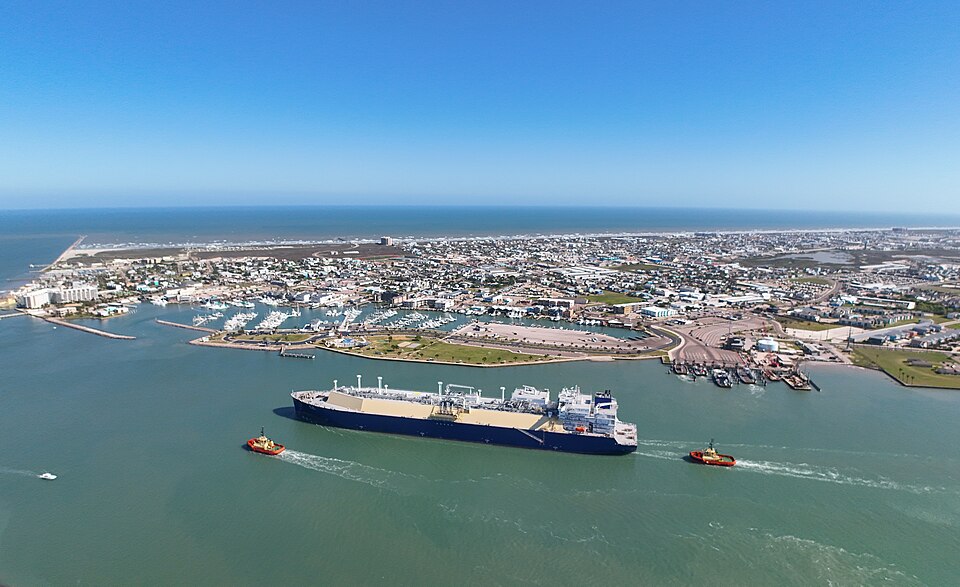
Port Aransas occupies the northern end of Mustang Island, one of the longest barrier islands on the Texas coast, in Nueces County about 180 miles southeast of San Antonio. It is the only established town on the island, and its setting is defined by water on nearly every side: Corpus Christi Bay to the west, the Gulf of Mexico to the east, and the Lydia Ann and Corpus Christi ship channels cutting through. Across the bay lies the city of Corpus Christi; across the pass to the north, Aransas Pass on the mainland. The island has a long and layered history. Karankawa people lived along this coast when Spanish explorer Alonso Álvarez de Pineda mapped the passes in 1519. In the early 19th century the Gulf Coast was a haunt of pirate ships, and Jean Lafitte is said to have used Mustang Island as a camp — local lore holds that treasure is buried here, marked by a silver dagger. Permanent settlement came in the 1850s with Robert Ainsworth Mercer's sheep and cattle ranch, followed by a federal Life-Saving Station and the Aransas Pass Lighthouse, completed in 1857 and deactivated in 1952 after the channel shifted. The Civil War touched the town directly, with the lighthouse changing hands between Confederate and Union forces and the nearby town of Aransas burned by Union Marines in 1862. The Tarpon Inn, built in 1886 from surplus barracks lumber, survived the 1916 hurricane and the 1919 storm that destroyed much of the town, and it stands today on the National Register of Historic Places — its lobby walls covered in tarpon scales signed by the anglers who caught them. President Franklin Roosevelt fished here in 1937 with guide Barney Farley, whose family built the low-sided, high-bowed boats designed for these choppy waters. Modern Port Aransas is a fishing, beach, and resort community. The chamber estimates summer populations can swell past 60,000, and the city's 4,852 housing units were 71.1 percent vacant at the 2020 census — a direct measure of how much of the town is seasonal. The University of Texas Marine Science Institute has operated here since 1941, giving the island a research presence unusual for a resort town, and the city has leaned into ecotourism with birding sites and paddling trails. Hurricane Harvey struck in 2017 with 132 mph winds, and the town has rebuilt since. For buyers, Port Aransas is a second-home and vacation market first and a year-round residential market second. The median age of 55.6 and the 30 percent share of residents over 65 reflect that mix, and the low-density island setting means limited inventory and constrained new supply.
Get more information about Port Aransas
 4 photos
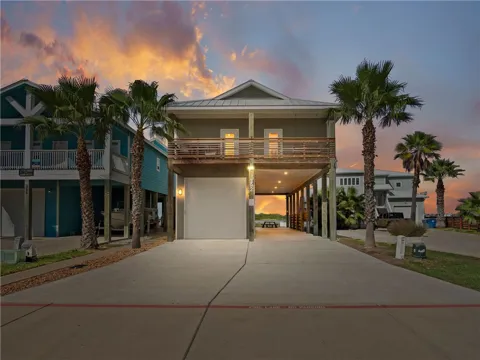
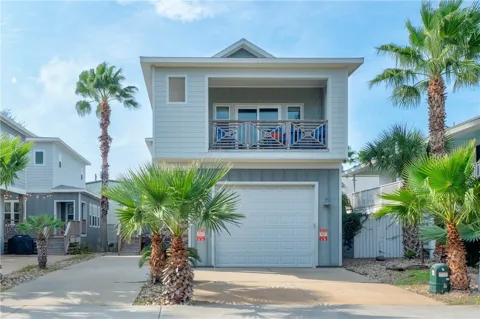
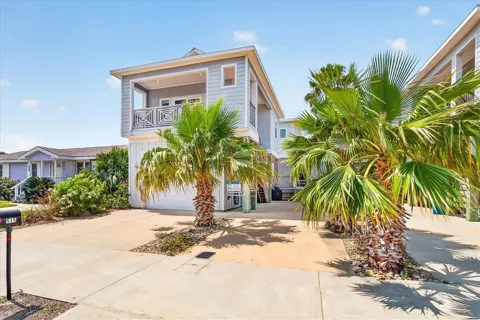
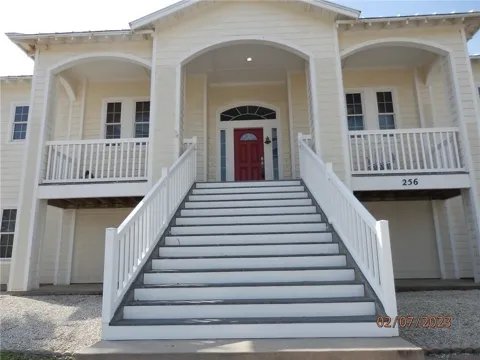
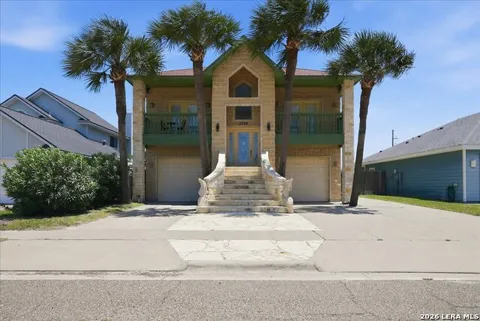
Houses in Port Aransas, TX
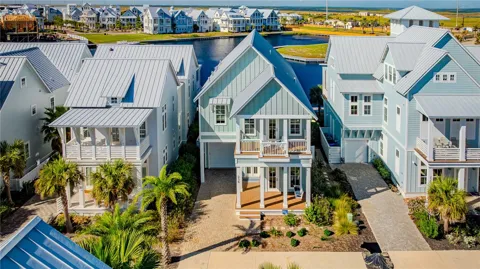
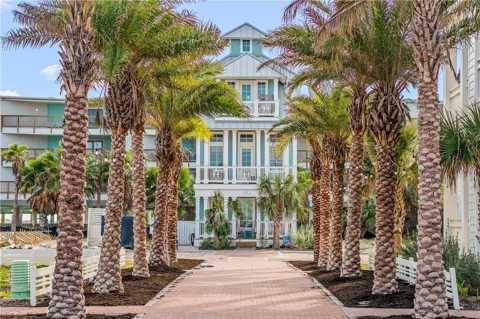 For Sale
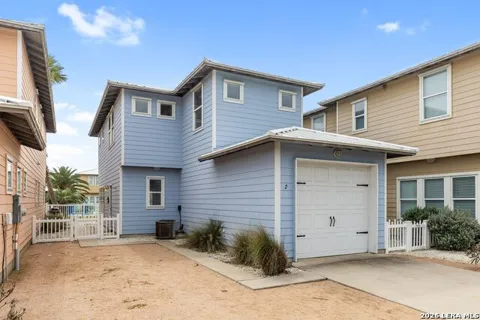
- 3 bd
- 3.5 ba
- 1955 sqft
- Built 2022
- 484909
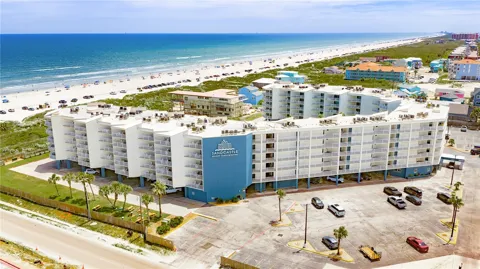
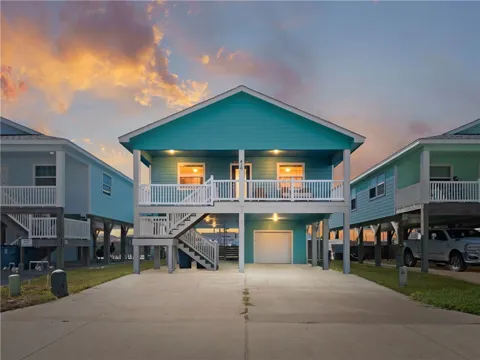
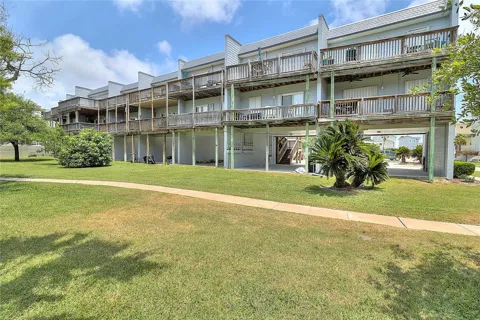
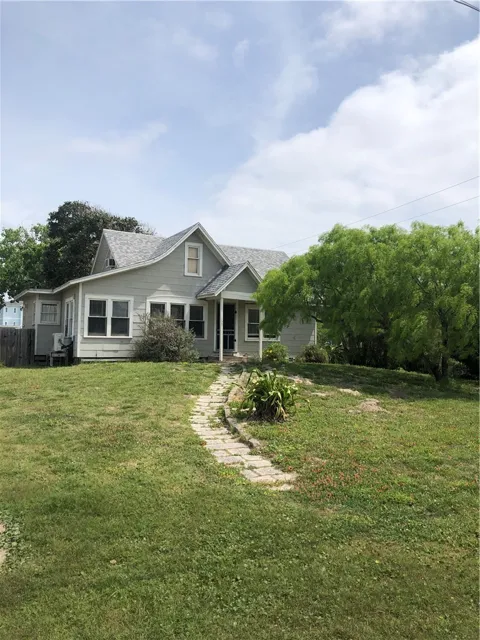
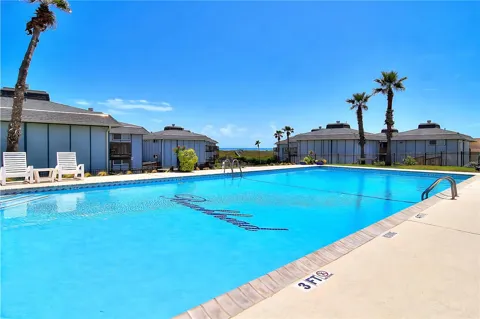 For Sale
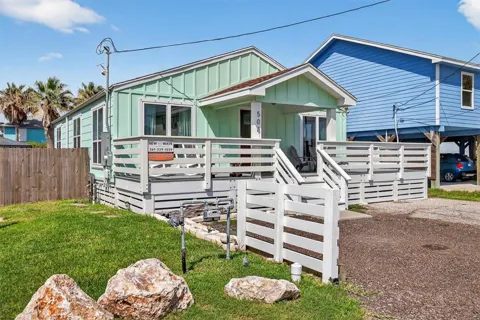
- 2 bd
- 2 ba
- 850 sqft
- Built 1969
- 484859
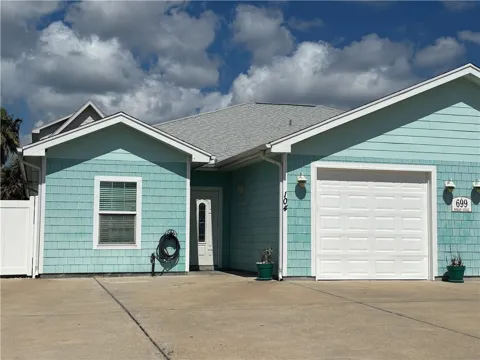
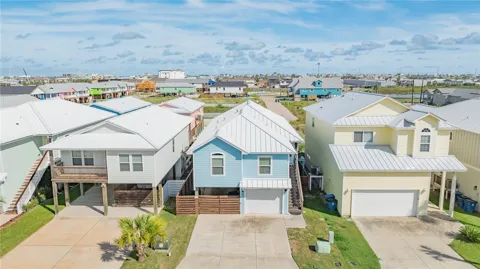
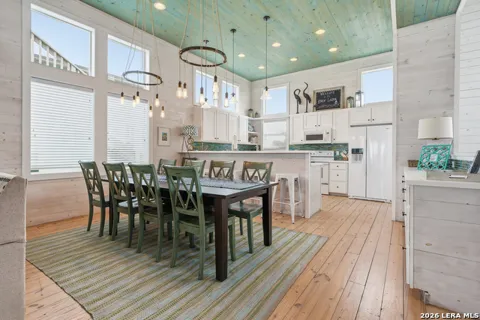
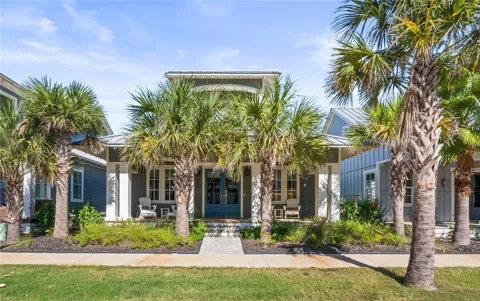
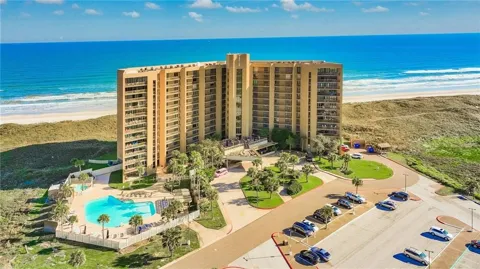
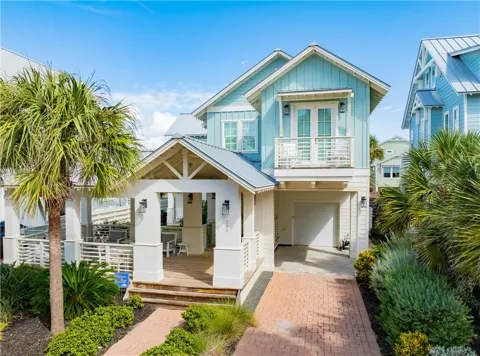
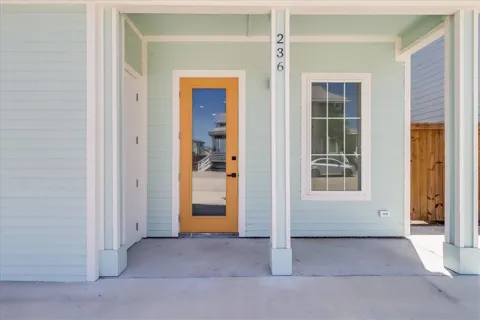
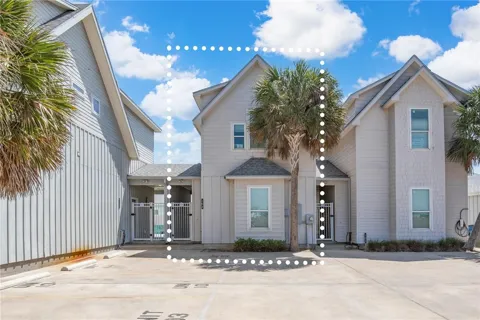
Townhouses & Duplexes in Port Aransas, TX
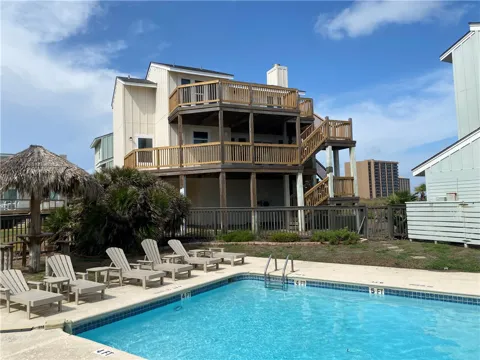
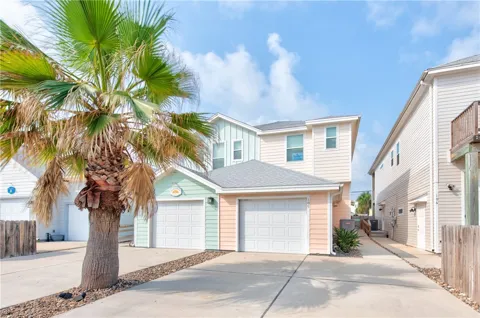
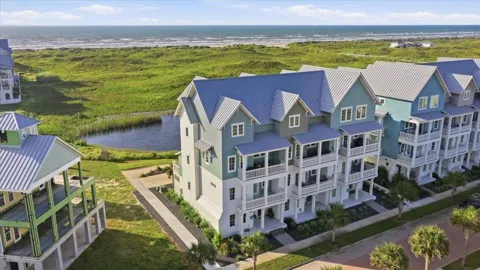
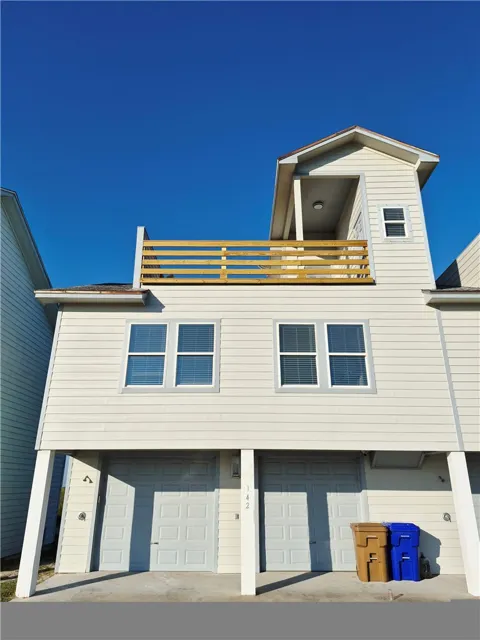
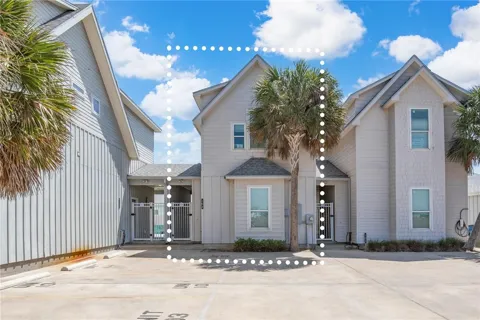
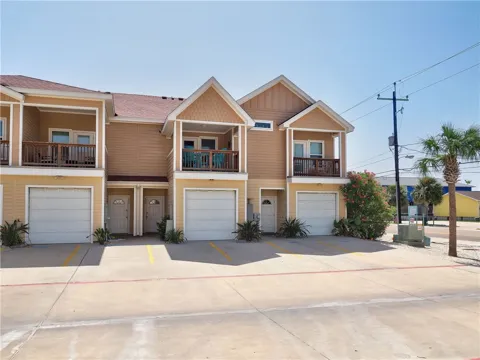
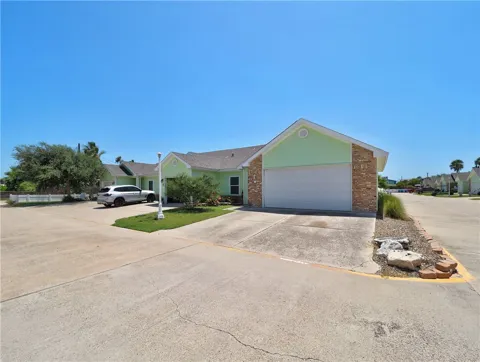
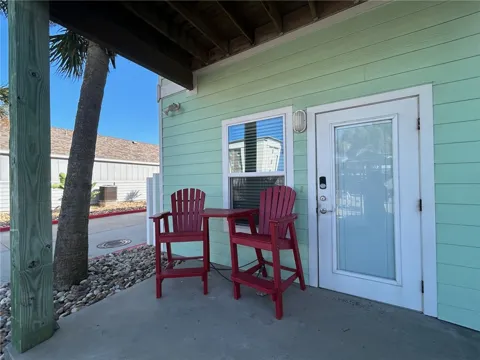
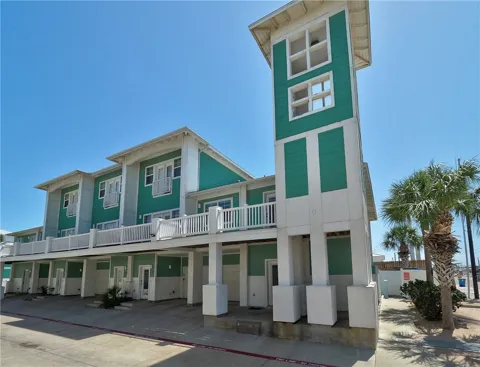
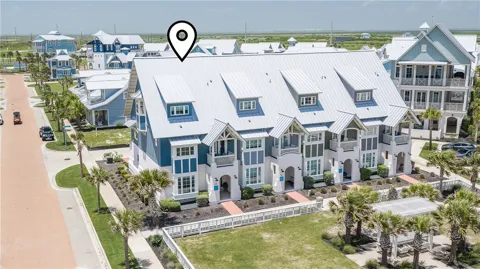
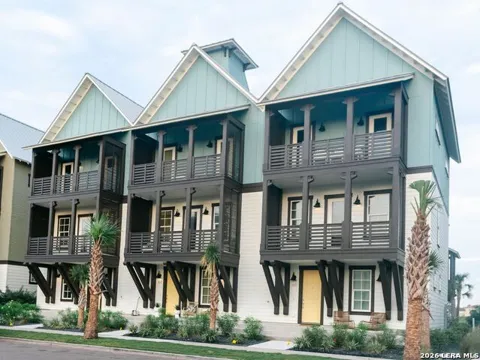
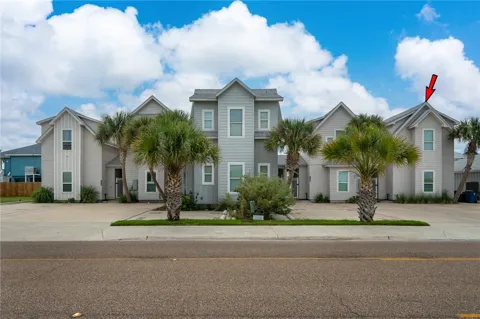
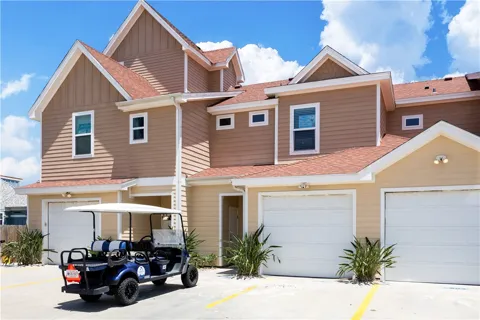
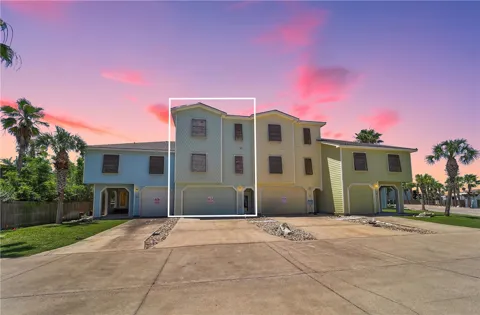
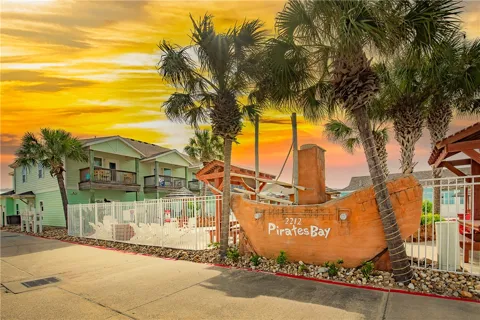
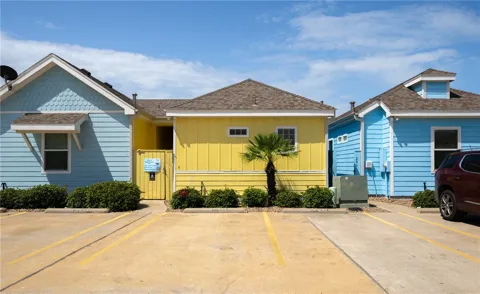
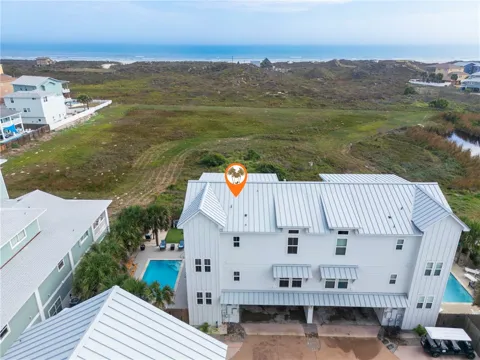
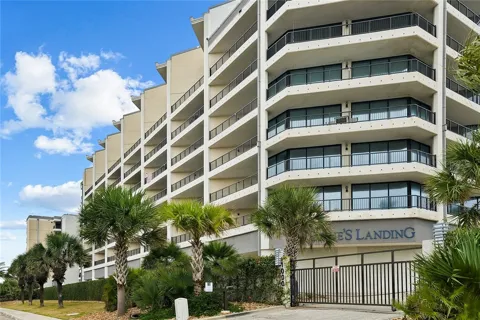
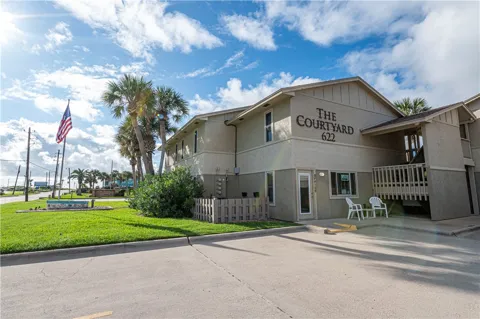
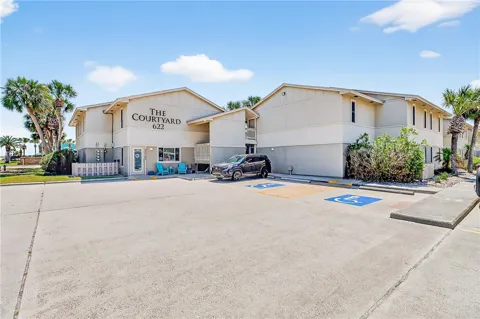
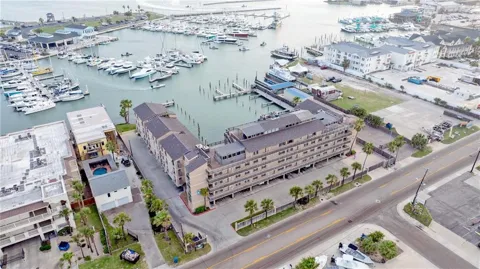
Condos & Apartments in Port Aransas, TX
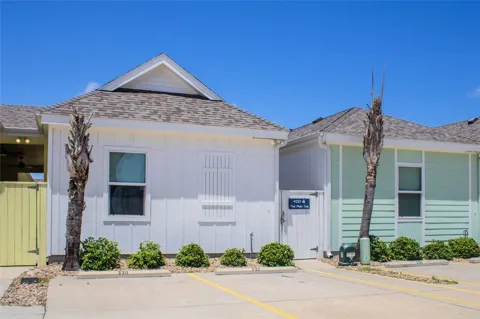
For Sale
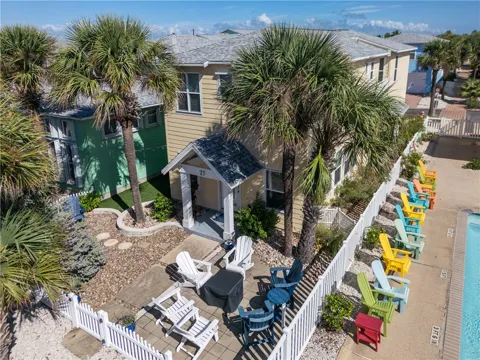
- 2 bd
- 2 ba
- 850 sqft
- Built 1969
- 484859
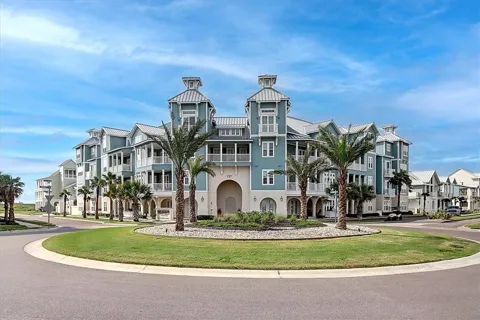
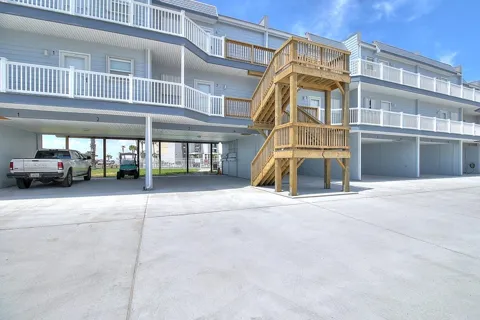
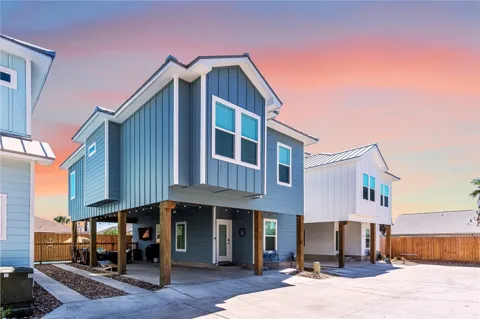
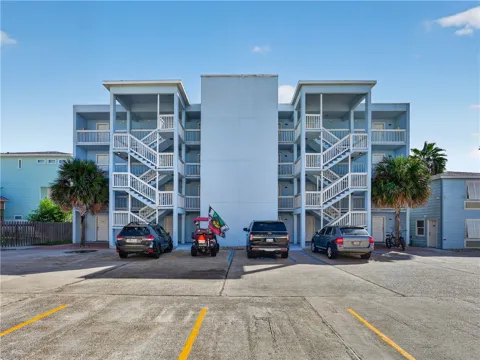
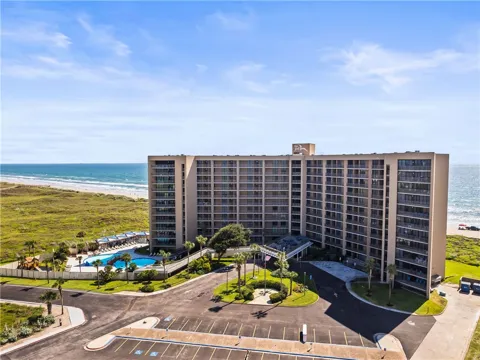
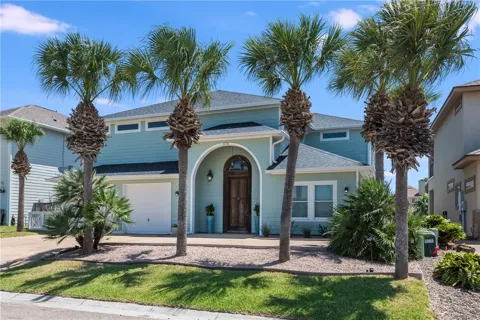
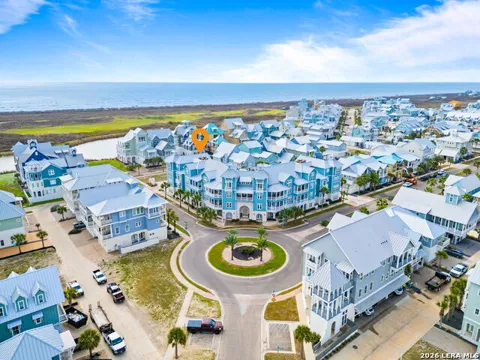 For Sale
- 3 bd
- 2 ba
- 1628 sqft
- Built 2014
- 1943130
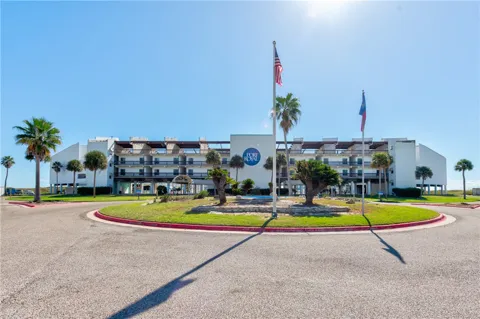
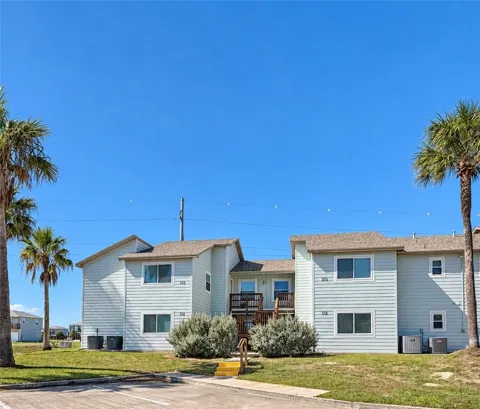
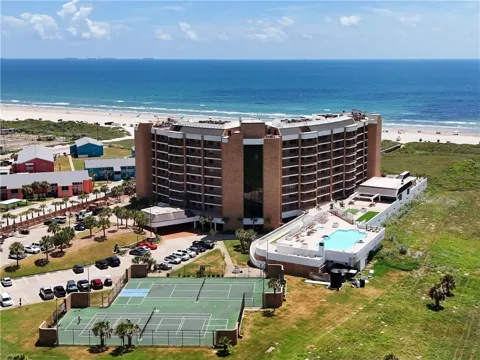
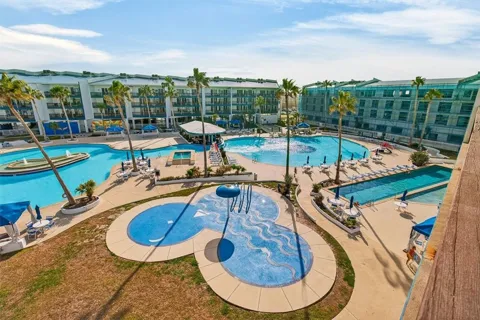
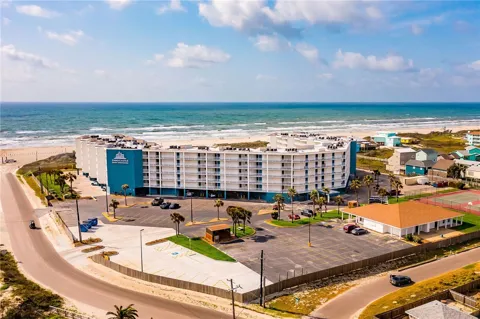
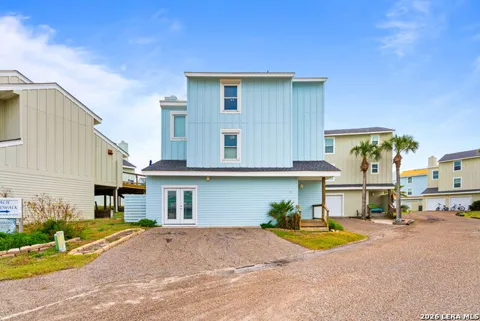
For Rent in Port Aransas, TX
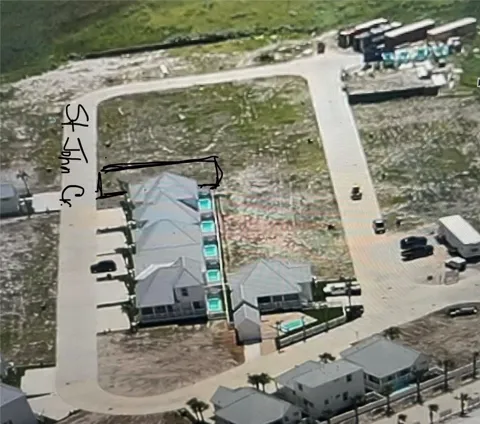
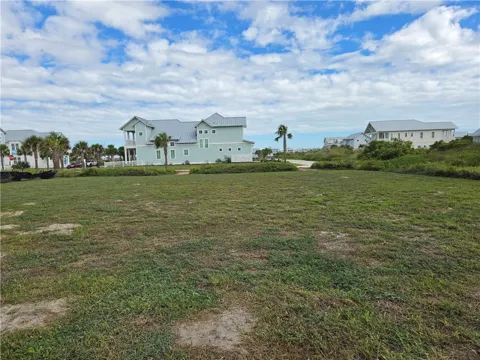
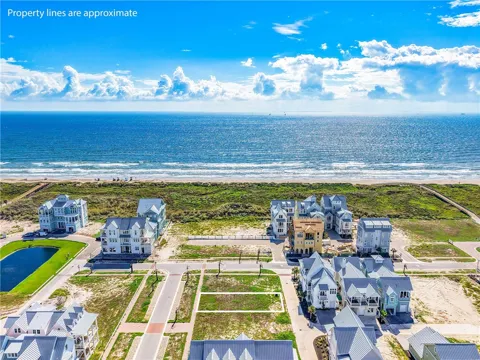
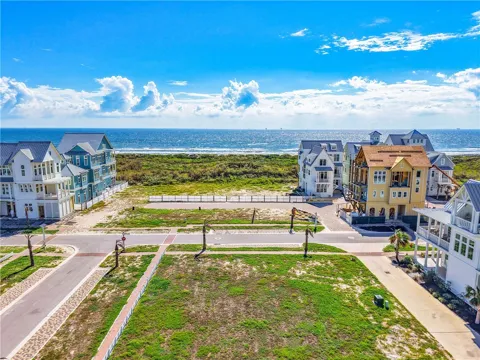
Lots & Land in Port Aransas, TX
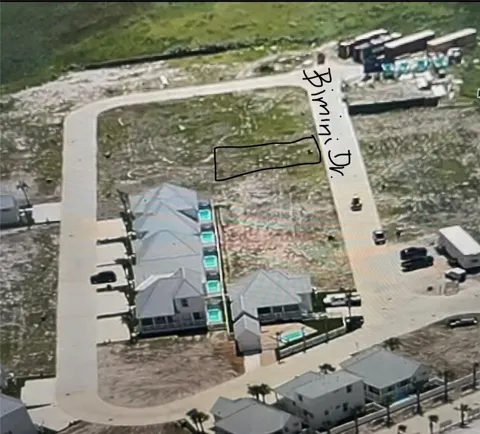
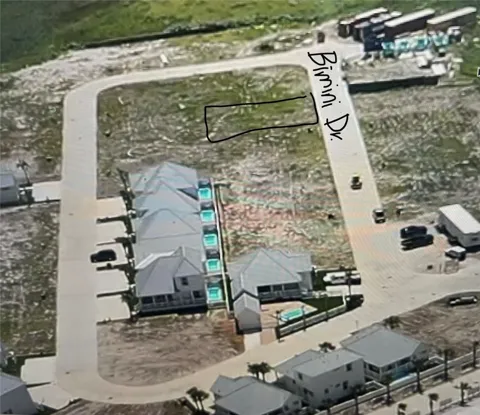
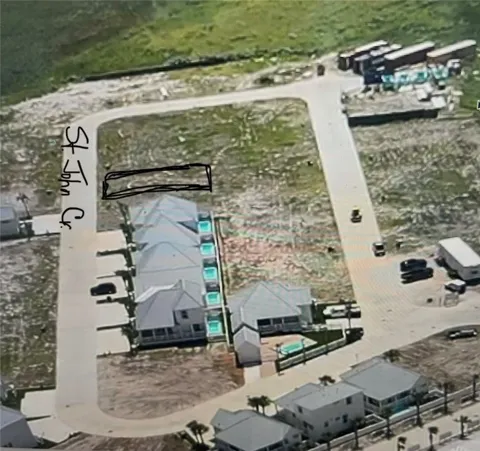
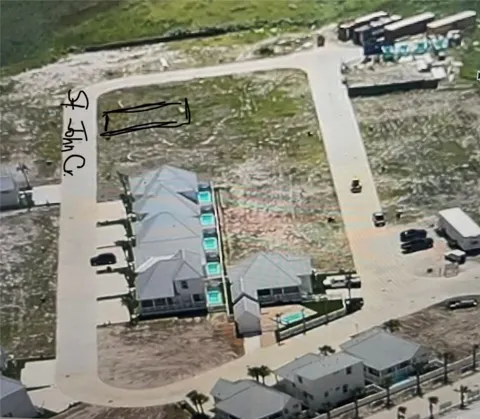
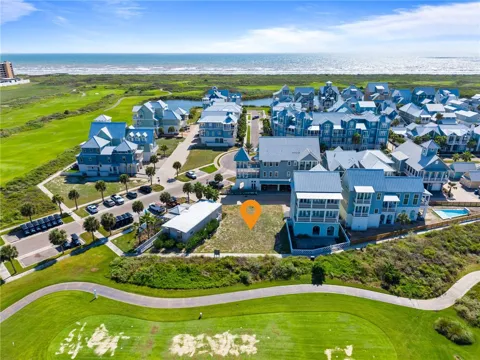
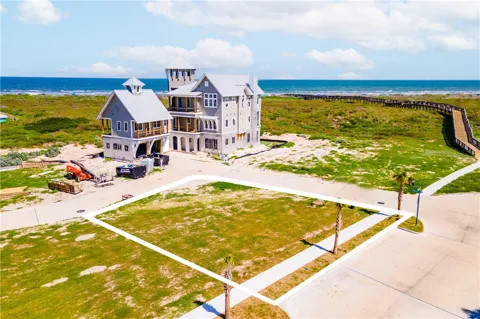
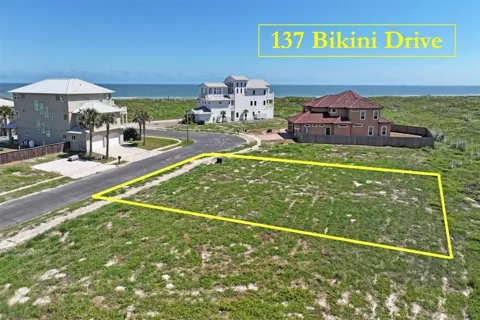
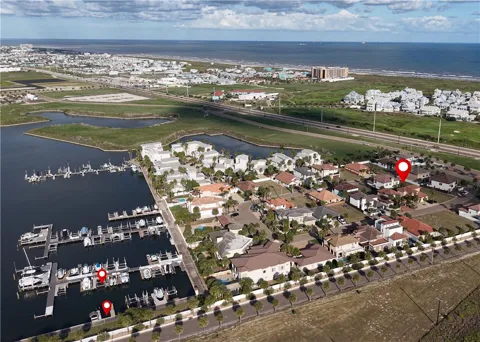
MARKET SNAPSHOT
The Market at a Glance
How homes have been selling here over the last 90 days.
Price & Sales History
Market data reflects closed sales over the last 90 days and is provided for informational purposes.
Zip Codes
BROWSE BY ZIP
Browse listings by postal code in this area.
City Guide
About Port Aransas
Real Estate & Housing
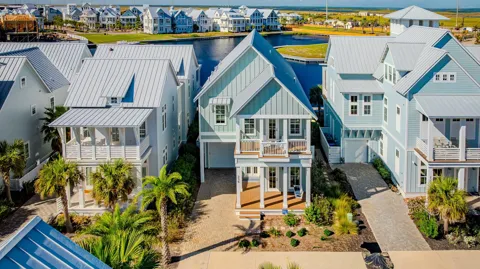
Port Aransas' housing market is dominated by its seasonal character. The 2020 census counted 4,852 housing units against a year-round population of 2,904, with 71.1 percent of units vacant — the clearest possible picture of a barrier-island town where most homes are second homes, vacation rentals, or seasonal residences. The rental vacancy rate that year was 41.3 percent, while homeowner vacancy was 3.2 percent. Construction reflects the coastal setting: elevated homes on pilings, condominiums and townhome complexes, and beachfront and bayfront properties, many built or rebuilt since Hurricane Harvey in 2017. Lots are typically small on the island's developed grid, and the constraint on supply is geographic rather than regulatory — there is simply limited buildable land on a narrow barrier island with protected dunes and wetlands. Buyers should expect to evaluate insurance, elevation, and windstorm considerations as central parts of any purchase here, and to think in terms of two distinct markets: year-round residences near the town center and short-term rental or second-home properties closer to the beach and the channels. The inventory is finite and the character of each property is strongly shaped by its proximity to water.
Neighborhoods
Port Aransas is compact enough to walk or bike across much of its developed area, and its neighborhoods are defined by what water they face. The town center near Cotter Street and Alister Street holds the businesses, restaurants, and the Tarpon Inn, with older beach cottages on the surrounding blocks. The beachfront stretches along the Gulf side, where I.B. Magee Beach Park provides public access at the north end and much of the island's condominium and vacation-home development clusters. The bay side and the Lydia Ann Channel offer different character — calmer water, boat access, and a mix of dockside homes and marina-oriented development. The University of Texas Marine Science Institute campus occupies its own corner of town near the ship channel, and the Leonabelle Turnbull Birding Center, Joan and Scott Holt Paradise Pond, the UT Wetlands, and Robert's Point Park form a chain of nature-oriented sites across the island. Mustang Island State Park lies to the south, and the free TxDOT ferry at the island's north end connects to Aransas Pass on the mainland.
Lifestyle in Port Aransas
Port Aransas offers a classic Gulf Coast beach lifestyle, where days revolve around the sand, the surf, and the water. Fishing is woven into the town's identity — from offshore charters and bay guides to the dozens of tournaments that fill the calendar — and boating, birding, and eco-tourism round out the outdoor rhythm. The town has a relaxed, friendly character shaped by its year-round residents, seasonal visitors, and second-home owners, with beachfront restaurants, live music, and sunset gatherings forming the social core. Summer brings the energy of vacationers, while the shoulder seasons return the island to a quieter, unhurried pace.
Schools & Education
Port Aransas public schools are operated by the Port Aransas Independent School District, which serves the island with H.G. Olsen Elementary School, Brundrett Middle School, and Port Aransas High School. The district is small, as the year-round population would suggest, and functions as an important community anchor in a town that empties out seasonally. Because enrollment is tied to a small permanent population, class sizes are small and the schools have the close-knit character typical of Texas coastal districts. The district's athletic and academic programs draw support from year-round residents and from part-time homeowners who keep ties to the island. For higher education, the island itself hosts the University of Texas Marine Science Institute, a research and teaching facility operating since 1941 that gives Port Aransas a scientific presence unusual for a beach town. Broader college options are in Corpus Christi across the bay, including Texas A&M University–Corpus Christi and Del Mar College.
Getting Around
Getting to Port Aransas is part of living there. The Port Aransas Ferry System, maintained by the Texas Department of Transportation, runs free around the clock every day, connecting Mustang Island to the mainland at Aransas Pass. The crossing takes a few minutes, and the boats carry 20 to 28 passenger vehicles each trip; waits build during peak summer months, especially June, July, and August. Vehicle height is limited to 13 feet 6 inches and width to 96 inches, with a maximum weight of 80,000 pounds. The alternative is the longer drive south along Mustang Island and around through Corpus Christi, via State Highway 361 and the JFK Causeway. That route avoids the ferry but adds significant mileage. The nearest commercial air service is Corpus Christi International Airport, across the bay. Within the island, travel is by car, golf cart, or bicycle, and the town's street grid is compact. Residents plan around ferry traffic in summer, when the island's population multiplies and the crossing becomes the town's most reliable topic of conversation. A 24-hour radio message on AM 530 provides ferry regulations and emergency information.
Parks & Recreation
Port Aransas is a recreation destination first and foremost. Fishing is the historical core — the town's waters are home to hundreds of species of saltwater fish, with spotted seatrout and redfish the most sought after, and the Farley boat heritage and Tarpon Inn legacy both trace to the sport. Charters, piers, and the jetties remain central to the local economy. The beach is the other pillar. I.B. Magee Beach Park provides public Gulf access at the island's north end, and Mustang Island State Park to the south protects miles of undeveloped beach and dunes. Sand Fest, held every April, draws thousands to watch sculptors build elaborate sand creations, with proceeds going to the community and local schools. Ecotourism has grown into a major part of the town's identity. The Leonabelle Turnbull Birding Center, Joan and Scott Holt Paradise Pond, the UT Wetlands, and Robert's Point Park form a network of birding and nature sites, and state-established kayak paddling trails follow the bay and channel shorelines. The University of Texas Marine Science Institute adds an educational dimension, and the Tarpon Inn — a National Register and Texas Historic Landmark property — anchors the town's heritage tourism.
About Port Aransas
Frequently asked questions
What county is Port Aransas, Texas in?
Port Aransas is in Nueces County, Texas, on the northern end of Mustang Island along the Gulf Coast. It is the only established town on the island. Corpus Christi lies across the bay to the west, and Aransas Pass sits on the mainland to the north, reached by the free ferry.
Is the Port Aransas ferry free?
Yes. The Port Aransas Ferry System is maintained by the Texas Department of Transportation and runs free 24 hours a day, seven days a week, connecting Mustang Island to the mainland at Aransas Pass. Boats carry 20 to 28 passenger vehicles per trip, with waits during peak summer months. Vehicle height is limited to 13 feet 6 inches.
What school district serves Port Aransas, Texas?
Port Aransas public schools are operated by the Port Aransas Independent School District, with H.G. Olsen Elementary School, Brundrett Middle School, and Port Aransas High School. The district is small and serves the island's year-round population, which gives its schools a close-knit character.
How big is Port Aransas, Texas?
Port Aransas covers about 12.1 square miles, of which roughly 27 percent is water, and had a population of 2,904 at the 2020 census. The city counted 4,852 housing units that year, 71.1 percent of them vacant — reflecting the town's large seasonal and vacation-home base. The median resident age was 55.6.
What is there to do in Port Aransas?
Fishing, beaches, and birding are the main draws. I.B. Magee Beach Park and Mustang Island State Park provide Gulf beach access, and the waters support spotted seatrout, redfish, and hundreds of other species. The Leonabelle Turnbull Birding Center and Holt Paradise Pond are prime birding sites, and Sand Fest in April draws thousands of visitors.
What happened to Port Aransas in Hurricane Harvey?
Hurricane Harvey made landfall in August 2017 with wind speeds of 132 mph recorded at Port Aransas, causing major damage across the town. The city has rebuilt in the years since, and much of the current housing stock reflects post-storm construction and repair. Coastal insurance, elevation, and windstorm rating remain important considerations for buyers.
Still have questions about Port Aransas?
Get in touch